Project
Doodle Jump Space Chase
Casual mobile platformer, sequel to a classic IP.
Context
Doodle Jump Space Chase was created and supported by a team of 15 at Hugo Games Nottingham. One of three designers on the project.
What I owned
A wide design remit: from key mechanic design and core loops to analytical reports and FTUX drop-off action plans. Most of my time was spent on level design in Unity (platforming sequences, collectable formations, simple timing-based puzzles), and on limited-time events that drove monetisation and retention.
Level design
- Designed and established the rule-set for creating level content.
- Outlined a modular system that lets level content be quickly recycled and adapted for new visual themes and styles.
- Documented level “beats” and features so content doesn’t become repetitive.
- Created and iterated layouts and sections in Unity.
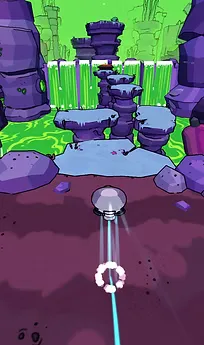
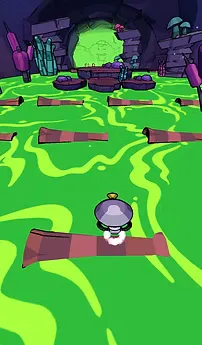
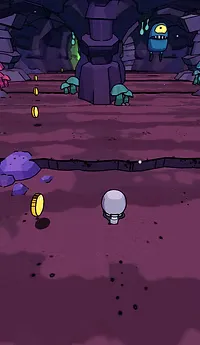
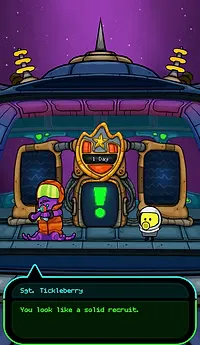
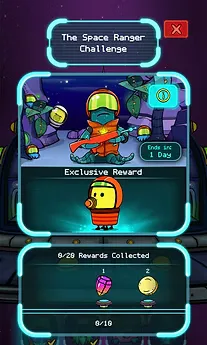
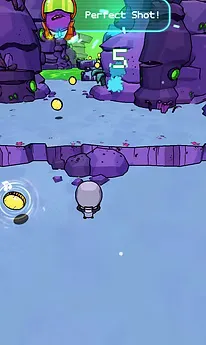
Art by Josh Kubik.
Events & community content
Events as a vehicle for exclusive content without needing new levels or features.
- Defined the purpose of Events within Doodle Jump Space Chase.
- Created themes, scenarios, and player objectives.
- Balanced reward tiers across casual, average, and engaged players.
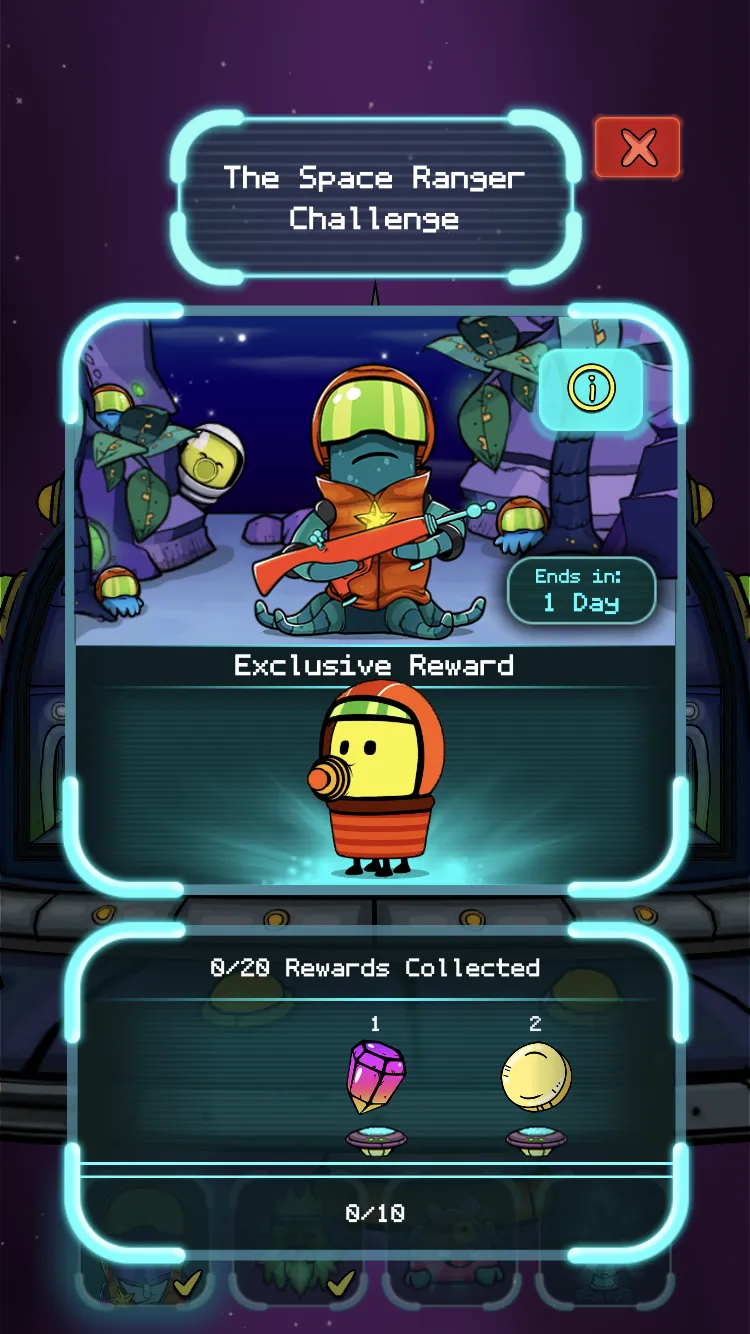
Space Marshal example. A weekly 3-day event running inside the same space as the core game. Players were rewarded for shooting monsters across reward tiers, in-game items at lower tiers, an event-exclusive character outfit at the top.
Other design aspects
- High-level progress estimates for casual, average, and engaged players through the FTUX and beyond.
- Outlining core system functionality (Gacha rewards, Consumables, Lives system).
- Dynamic store functionality and systems that record player behaviour to present offers they’re most likely to purchase.
- Core game loops, fine-tuning, and balancing in-game economies and systems.